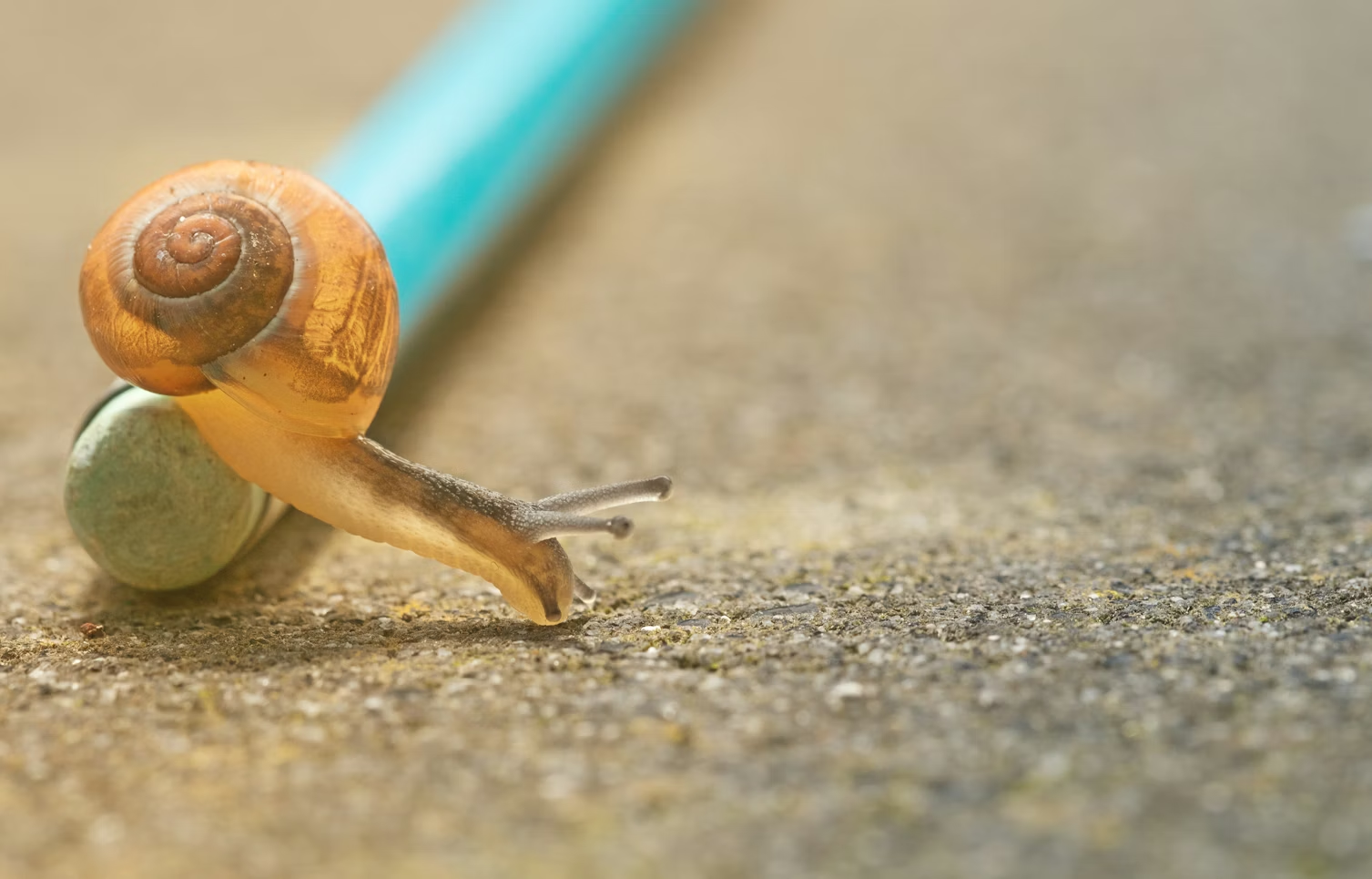


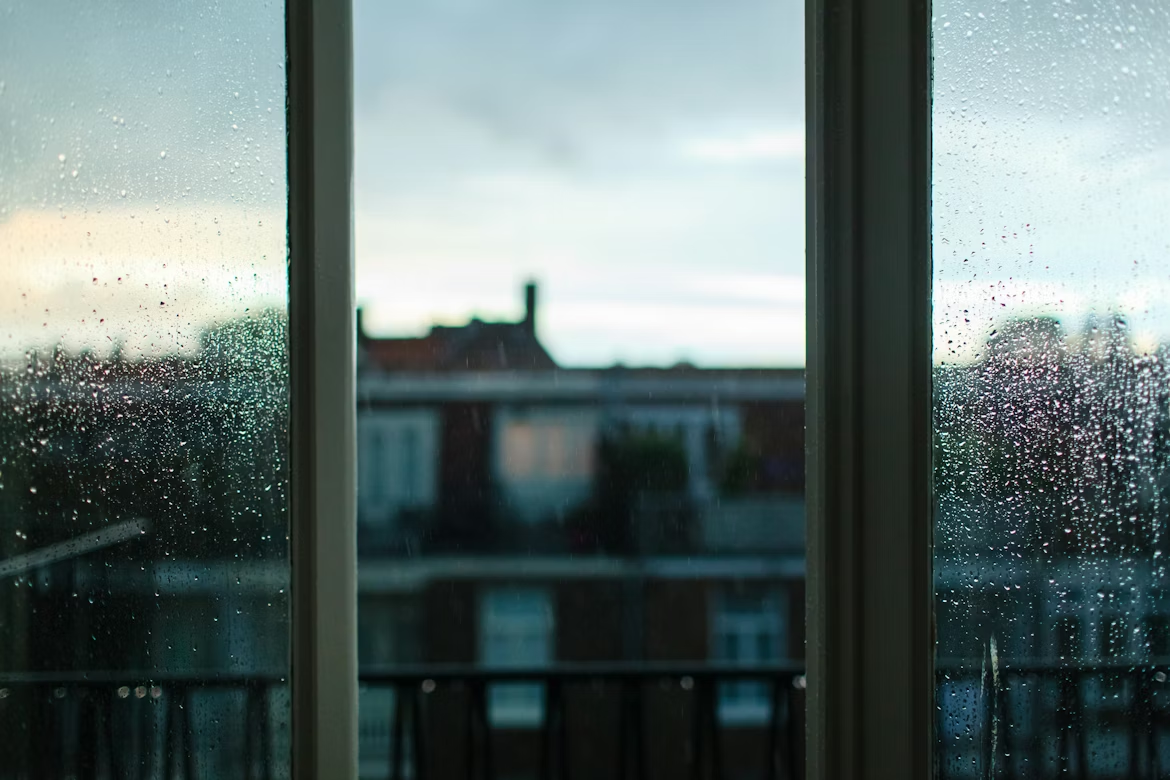
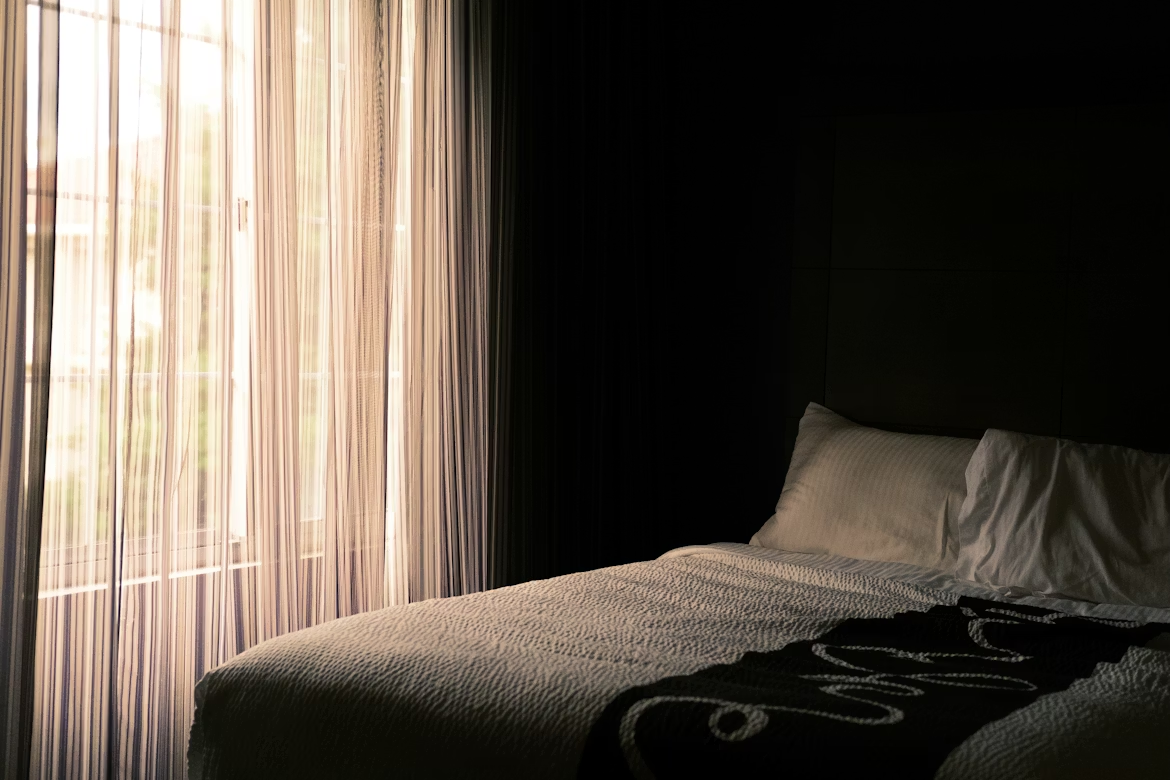

Some mornings, I wake up with a tension I can almost feel in my chest before I even open my eyes. The thoughts come too fast—deadlines, errands, the endless stream of messages and notifications. It’s easy to feel as though life is a storm I’m barely holding onto. For years, I responded the same way: push harder, hurry faster, try to control everything. The result? Exhaustion, frustration, and that quiet, gnawing anxiety that follows me through the day.
Then I discovered mindful living, and slowly, everything began to shift. Mindful living isn’t a technique or a checklist; it’s a way of being. It’s noticing life as it is, without judgment, without trying to force or fix it. It’s paying attention to the small things: the smell of coffee in the morning, the warmth of sunlight on my skin, the sensation of my feet on the floor. These moments are small, almost imperceptible, yet they are powerful. They anchor me in the present, creating tiny islands of calm in an otherwise hectic world.
I started with the mornings. I set aside ten minutes—not much, really—but enough to sit quietly with my tea, to breathe, and to simply exist. No phone, no to-do list, no rush. At first, it felt strange, almost uncomfortable. I was unused to this stillness. But after a few weeks, I noticed something remarkable: stress no longer felt like a tidal wave that hit me without warning. Instead, it became something I could observe, acknowledge, and release. I was learning to respond rather than react. That’s the essence of mindful living.
During the day, I began to carry this awareness with me. Walking to the subway, I noticed the rhythm of my steps. While washing dishes, I focused on the feel of the water, the sound of plates clinking. Even listening to friends became a more intentional act—I wasn’t planning my next sentence, I was present, absorbing the conversation fully. Life didn’t suddenly become easier, but it became lighter. My mind had space to breathe, and in that space, stress lost its grip.
Mindful living has also reshaped how I handle challenges. In the past, a stressful email or an unexpected problem could throw me off for hours. Now, I pause. I take a few mindful breaths. I name what I’m feeling without trying to push it away. This simple practice transforms how I experience tension. Instead of spiraling, I notice, “Ah, here’s stress. Okay, I see you.” And then I can act with clarity rather than panic.
What’s surprising is how interconnected this practice is with every part of life. By observing my habits and thoughts, I also notice opportunities for self-care and growth. I’ve started journaling in the evenings, not to fix anything, but to reflect and process. I’ve added small rituals, like walking outside during lunch or enjoying a quiet cup of tea before bed. Each small act is a reminder that life doesn’t have to be all chaos and pressure. Stress exists, yes—but mindful living helps me move through it gently.
There’s also a subtle joy that emerges when you live mindfully. Moments that once passed unnoticed—birds singing outside the window, a kind smile from a stranger, the aroma of fresh bread—become vivid and grounding. It’s a form of gratitude, though it doesn’t feel forced. It’s just noticing life in its richness. And in noticing, I find calm. In noticing, I find presence.
Mindful living doesn’t require an overhaul of your life. It doesn’t demand hours of meditation, expensive retreats, or perfect routines. It starts small—breathing, observing, pausing, reflecting. Over time, these moments accumulate, like drops filling a jar. And slowly, stress loses its overwhelming weight. Life feels manageable, even beautiful.
So if stress is following you like a shadow, I encourage you to try it. Sit quietly for a few minutes. Notice your breath. Pay attention to the little things. Allow yourself to be fully present. It may seem insignificant at first, but with each mindful moment, the noise of daily life softens. And through mindful living, a little calm can grow into something profound.